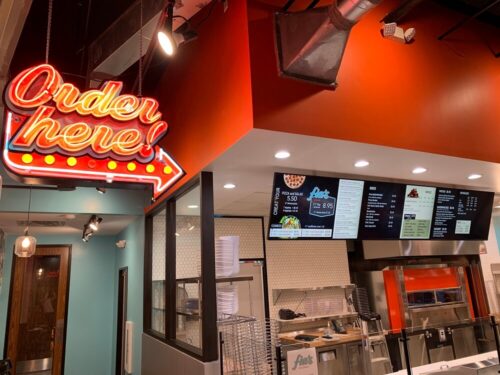
Digital menu boards have revolutionized the way restaurants present their menus to customers, offering a more engaging and interactive experience. Gone are the days of static printed menus that can quickly become outdated. With digital menu boards, restaurants can easily update their menu offerings, promotions, and pricing in real-time, ensuring that customers always have access to the most up-to-date information. According to experts in the field, digital menu boards have been shown to increase sales and customer satisfaction, making them an attractive option for restaurants looking to enhance their customer experience.
Benefits of Digital Menu Boards
Digital menu boards offer a range of benefits for restaurants, including increased sales, improved customer satisfaction, and reduced costs. By providing customers with a clear and concise view of menu offerings, restaurants can increase sales and improve customer satisfaction. Additionally, digital menu boards can be easily updated to reflect changes in menu offerings, promotions, and pricing, reducing the need for printed menus and minimizing waste.
- Increased sales: Digital menu boards can increase sales by providing customers with a clear and concise view of menu offerings, making it easier for them to make informed purchasing decisions.
- Improved customer satisfaction: Digital menu boards can improve customer satisfaction by providing customers with real-time information about menu offerings, promotions, and pricing.
- Reduced costs: Digital menu boards can reduce costs by minimizing the need for printed menus and minimizing waste.
Designing Effective Digital Menu Boards
When designing digital menu boards, it’s essential to consider the needs and preferences of your target audience. According to researchers, customers are more likely to engage with digital menu boards that are easy to navigate and provide clear and concise information. To achieve this, restaurants should consider the following design principles:
- Simplicity: Digital menu boards should be easy to navigate and provide clear and concise information.
- Clarity: Digital menu boards should provide clear and concise information about menu offerings, promotions, and pricing.
- Consistency: Digital menu boards should be consistent in their design and layout to ensure that customers can easily navigate and find the information they need.
Implementation and Maintenance
Implementing digital menu boards requires careful planning and execution. Restaurants should consider the following steps when implementing digital menu boards:
- Assessing current menu offerings and promotions: Restaurants should assess their current menu offerings and promotions to determine the best way to display this information on digital menu boards.
- Designing and testing digital menu boards: Restaurants should design and test digital menu boards to ensure that they are easy to navigate and provide clear and concise information.
- Maintaining digital menu boards: Restaurants should regularly maintain digital menu boards to ensure that they are up-to-date and accurate.
For more information on implementing digital menu boards, experts in the field recommend consulting with a professional to ensure that the implementation is done correctly and efficiently.
Conclusion
Digital menu boards have revolutionized the way restaurants present their menus to customers, offering a more engaging and interactive experience. By providing customers with a clear and concise view of menu offerings, promotions, and pricing, restaurants can increase sales, improve customer satisfaction, and reduce costs. With careful planning and execution, restaurants can implement digital menu boards that meet the needs and preferences of their target audience.
About the Author