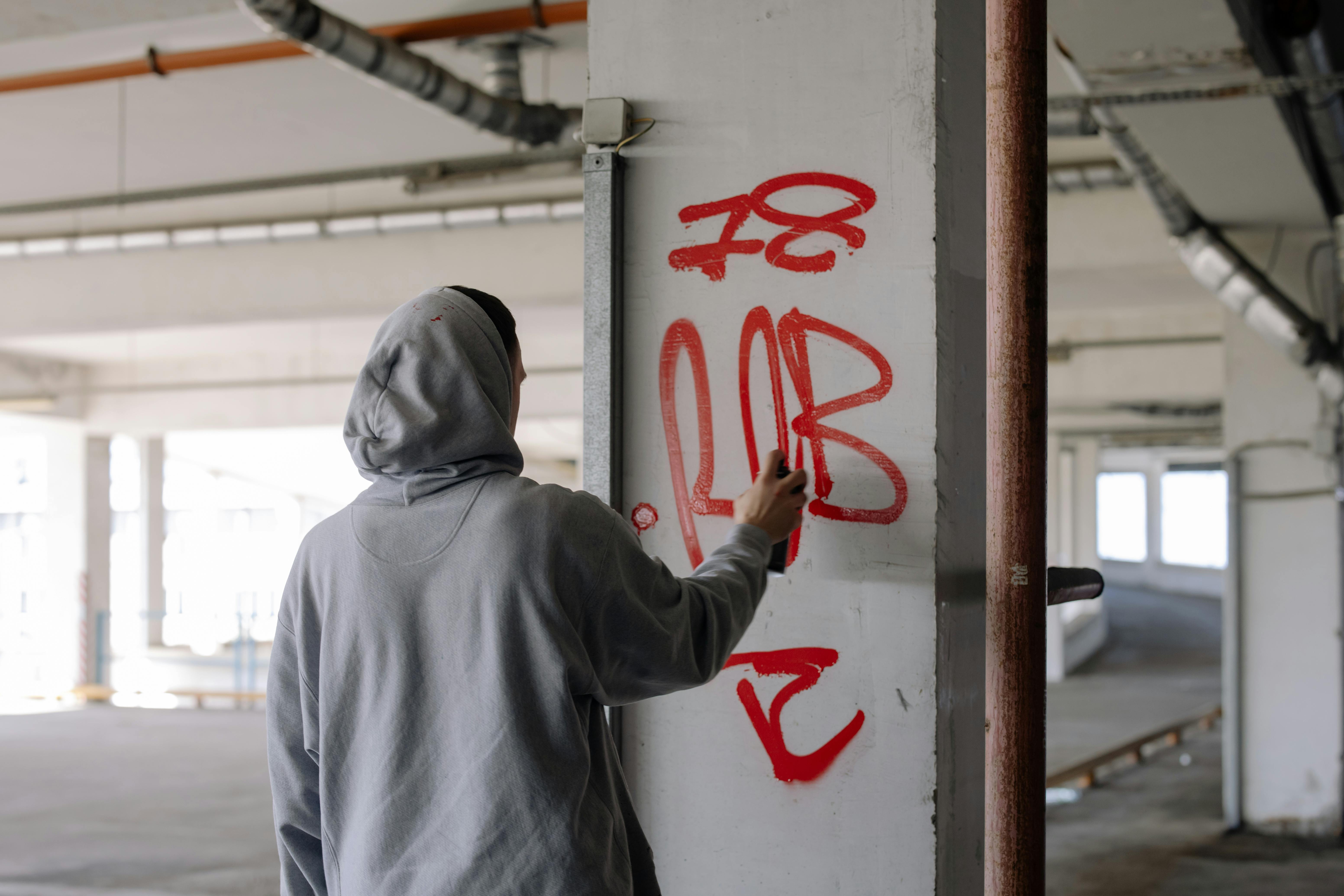
Graffiti can be an art form, but when it appears in unintended locations, it can become a challenge for property owners and public authorities. Graffiti removal is not just about aesthetics; it is essential for maintaining the integrity and value of properties. The process of removing graffiti requires a balance of skill, technique, and understanding of the materials involved. This article delves into expert graffiti removal techniques to help address this issue efficiently and effectively.
Understanding the Surface Material
One of the first steps in graffiti removal is identifying the surface material. Different surfaces require different cleaning methods, and using the wrong technique can cause damage. Here are key considerations:
- Brick and Concrete: These porous materials can absorb paint quickly. Specialized solvents and pressure washing can be effective, but care must be taken to avoid surface erosion.
- Metal: Graffiti on metal surfaces can often be removed with solvents and, in some cases, by repainting.
- Glass: Often, glass requires scraping or the use of razor blades, combined with solvents, to remove graffiti without scratching the surface.
- Wood: Wood surfaces, especially if untreated, can absorb paint deeply. Sanding or using chemical removers may be necessary.
For more information on handling different surfaces, learn about our tailored solutions.
Choosing the Right Removal Technique
Selecting the appropriate removal technique is vital to ensure the surface is not damaged and the graffiti is fully eradicated. Techniques include:
Chemical Solvents
Chemical solvents are often used for graffiti removal, especially on non-porous surfaces. These agents dissolve the paint, making it easier to wipe away. However, it’s crucial to choose the correct solvent based on the paint type and surface material. Explore advanced guides and tips for selecting the right chemical solutions.
Pressure Washing
Pressure washing can be effective on surfaces like brick and concrete. The high-pressure water can dislodge paint from porous surfaces. However, caution is necessary to prevent surface damage. Professionals often adjust the pressure based on the surface material to achieve optimal results.
Sandblasting
For tougher graffiti or when dealing with large areas, sandblasting can be an option. This method involves using abrasive materials to scrub off the paint. While effective, it can also erode the surface if not handled carefully. Discover expert strategies here to use sandblasting safely.
Preventive Measures
Prevention is often more effective than removal when it comes to graffiti. Implementing preventive measures can save time and resources in the long run:
- Anti-Graffiti Coatings: These coatings are applied to surfaces to make graffiti removal easier. They work by preventing paint from adhering strongly.
- Landscaping: Strategic planting can deter graffiti by making surfaces less accessible.
- Lighting and Surveillance: Increasing visibility and monitoring can deter graffiti artists from targeting certain areas.
For detailed insights on preventive strategies, find out more about this approach.
Conclusion
Graffiti removal requires a nuanced approach, with techniques tailored to the specific circumstances of each situation. Understanding the surface material and selecting the appropriate removal method is crucial to preserving the quality and appearance of the affected area. By implementing preventive measures, future instances of graffiti can be minimized. For those seeking comprehensive solutions and expert advice, valuable resources are available to guide property owners and maintenance teams through the process.
About the Author