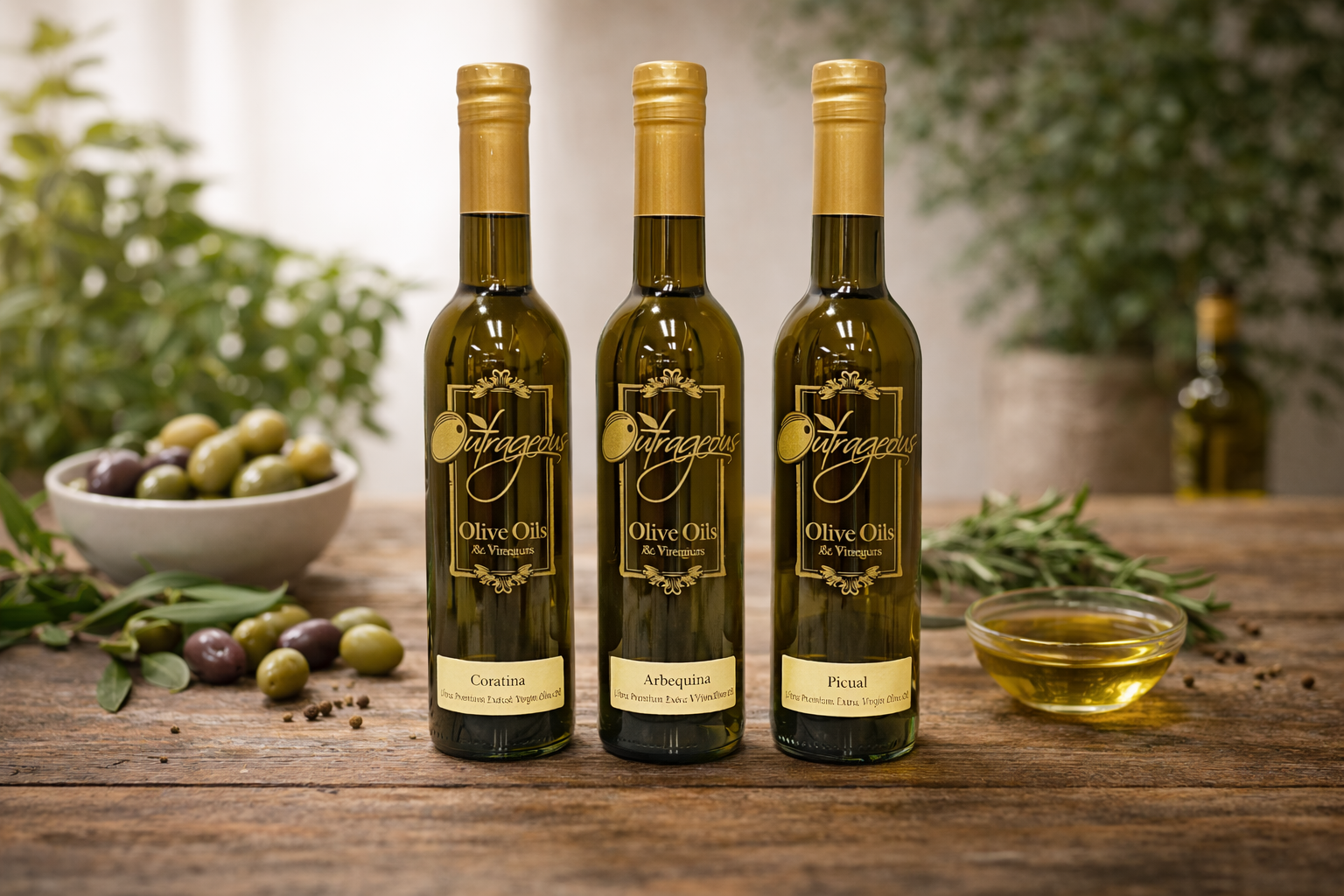
The Mediterranean diet, renowned for its health benefits and rich flavors, emphasizes the consumption of plant-based foods, lean proteins, and healthy fats. Central to this dietary pattern is the use of extra virgin olive oil, which serves as a primary source of fat. This oil not only adds depth to dishes but also offers numerous health benefits, making it a staple in Mediterranean kitchens. Understanding the composition and advantages of this diet can illuminate its role in promoting overall well-being.
The Components of the Mediterranean Diet
The Mediterranean diet is a lifestyle choice rather than a restrictive eating plan. It draws inspiration from the traditional dietary patterns of countries bordering the Mediterranean Sea, including Greece, Italy, and Spain. Key components include:
- High consumption of fruits, vegetables, legumes, and whole grains.
- Moderate consumption of fish and poultry, with red meat consumed sparingly.
- Inclusion of healthy fats, predominantly from extra virgin olive oil and nuts.
- Moderate intake of dairy, primarily in the form of cheese and yogurt.
- Use of herbs and spices for flavoring instead of salt.
- Regular consumption of wine, particularly red, in moderation.
Benefits of Extra Virgin Olive Oil
A cornerstone of the Mediterranean diet, extra virgin olive oil is rich in monounsaturated fats, which are associated with improved heart health. Here are some of the benefits:
- Heart Health: The monounsaturated fats help reduce levels of bad cholesterol, thereby lowering the risk of heart disease.
- Anti-inflammatory Properties: Olive oil contains oleocanthal, a compound with anti-inflammatory effects similar to those of ibuprofen.
- Rich in Antioxidants: It is packed with polyphenols, which combat oxidative stress and may reduce the risk of chronic diseases.
- Supports Healthy Weight Management: Incorporating olive oil into a balanced diet can aid in maintaining a healthy weight.
Incorporating Olive Oil into Daily Meals
Cooking and Flavoring
Extra virgin olive oil can be used in a variety of culinary applications. Its robust flavor enhances salads, pastas, and grilled vegetables. When used in cooking, it can withstand moderate heat, making it suitable for saut?ing and baking. For a simple yet flavorful dish, drizzle it over fresh tomatoes and mozzarella for a classic Caprese salad.
Pairing with Proteins
Fish, a staple in the Mediterranean diet, pairs exceptionally well with olive oil. Drizzle extra virgin olive oil over grilled salmon or use it as a base for a marinade with lemon juice and herbs. It enhances the natural flavors while keeping the dish heart-healthy.
Conclusion
The Mediterranean diet, underpinned by the use of extra virgin olive oil, represents a balanced approach to eating that prioritizes heart health and longevity. Its emphasis on whole foods and healthy fats aligns with modern nutritional recommendations, making it both a delicious and sustainable lifestyle choice. By incorporating these principles into daily meals, individuals can enjoy a variety of flavors while supporting their overall health.
About the Author