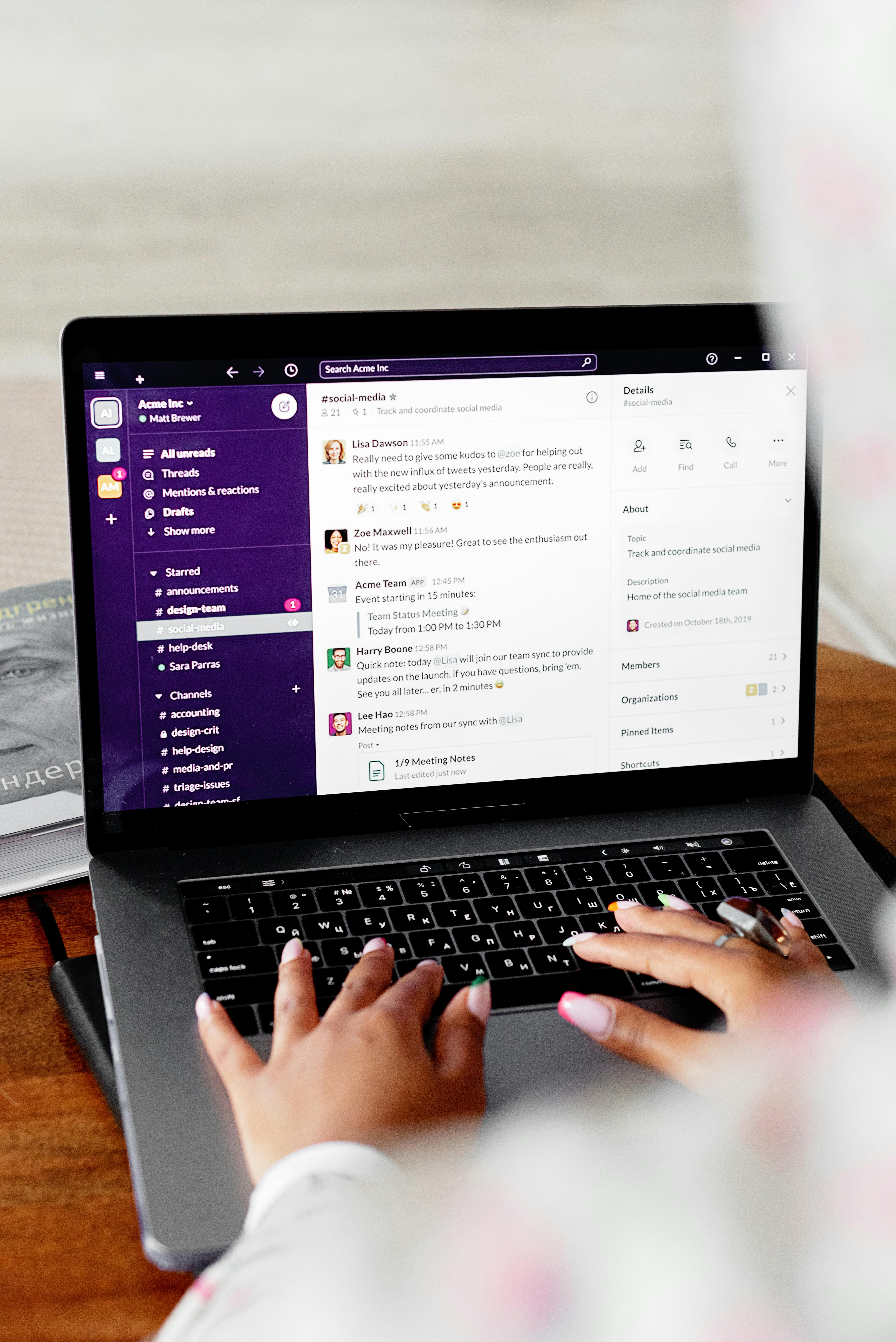
Secure Communication with Encrypted Direct Messages
In an era where digital communication is at the forefront of personal and professional interactions, ensuring the privacy and security of these communications has become paramount. Encrypted direct messages offer a solution to safeguard sensitive information from unauthorized access, thereby protecting privacy and enhancing security.
Understanding Encrypted Direct Messages
Encrypted direct messages are a form of communication where the content is transformed into a coded format. This ensures that only the intended recipient, who possesses the decryption key, can read the message. This form of encryption is crucial in preventing eavesdroppers from accessing the information.
Key Features of Encrypted Direct Messages
- End-to-End Encryption: Messages are encrypted at the sender’s end and decrypted only at the recipient’s end, ensuring no intermediary can access the content.
- Data Integrity: Encryption ensures that the message has not been altered during transmission.
- Authentication: Verification processes ensure that the sender and recipient are who they claim to be.
The Importance of Secure Communication
In today?s digital landscape, secure communication is not just a preference but a necessity. Whether for personal privacy or business confidentiality, encrypted direct messages play a crucial role in maintaining the integrity and privacy of information.
Benefits of Using Encrypted Direct Messages
- Privacy Protection: Ensures sensitive information is only accessible to intended recipients.
- Compliance with Regulations: Helps meet legal requirements related to data protection and privacy.
- Trust and Reliability: Builds trust in communication channels by guaranteeing privacy and security.
To delve deeper into the importance of secure communication, you can read more about this topic.
Applications of Encrypted Direct Messaging
Encrypted direct messages are utilized across various domains, from personal communications to professional environments, offering a secure means to exchange information.
Use Cases for Encrypted Messaging
- Personal Communication: Protects personal discussions and sensitive information from unauthorized access.
- Business Communication: Ensures confidentiality in corporate communication and protects sensitive business data.
- Government and Defense: Secures communications that are critical to national security.
For more detailed insights on the applications of encrypted messaging, learn more in this detailed guide.
Challenges and Considerations
While encrypted direct messaging provides significant advantages, there are considerations and challenges that must be addressed to ensure its effectiveness and usability.
Challenges in Implementing Encrypted Messaging
- User Adoption: Users must be educated on the importance and use of encryption technologies.
- Technical Complexity: Implementing and managing encryption systems can be complex and resource-intensive.
- Balancing Security and Usability: Ensuring that security measures do not compromise the user experience.
To explore further insights into these challenges, explore further insights here.
The Future of Secure Communication
As technology continues to evolve, the methods and technologies for secure communication will also advance. Encrypted direct messages will likely become even more integral to digital communication, ensuring that privacy and security remain at the forefront.
For those interested in keeping up with developments in secure communication technologies, find additional information here.
In conclusion, encrypted direct messages are an essential tool for ensuring privacy and security in digital communication. As the digital landscape continues to evolve, adopting and understanding these technologies will be critical for individuals and organizations alike.
About the Author